You know, it’s pretty clear that more and more people are looking for study tables with chairs, especially in schools and colleges. I read somewhere—actually, a report from Global Market Insights—that the worldwide market for student furniture, including those cozy study setups, is expected to hit around $37 billion by 2026. That’s a huge jump, showing how much folks are really prioritizing ergonomic and practical designs these days.
Dr. Michael Harper from EduFurniture Analytics mentions, “Good study tables with chairs totally boost students’ focus and productivity.” Honestly, it’s so true—investing in the right furniture can make a big difference in how students learn and stay engaged. Sadly, though, some schools still overlook the importance of quality study spaces, which often leads to uncomfortable setups and less concentration.
As we look ahead to 2026, it’s a good time to think about how our current furniture choices are shaping learning experiences. Honestly, the combo of a study table and chair should be more innovative to cater to different learning styles. The tricky part? Finding that sweet spot between affordability and quality so that every student has access to a decent, effective study environment. It’s kind of a challenge, but definitely worth the effort.
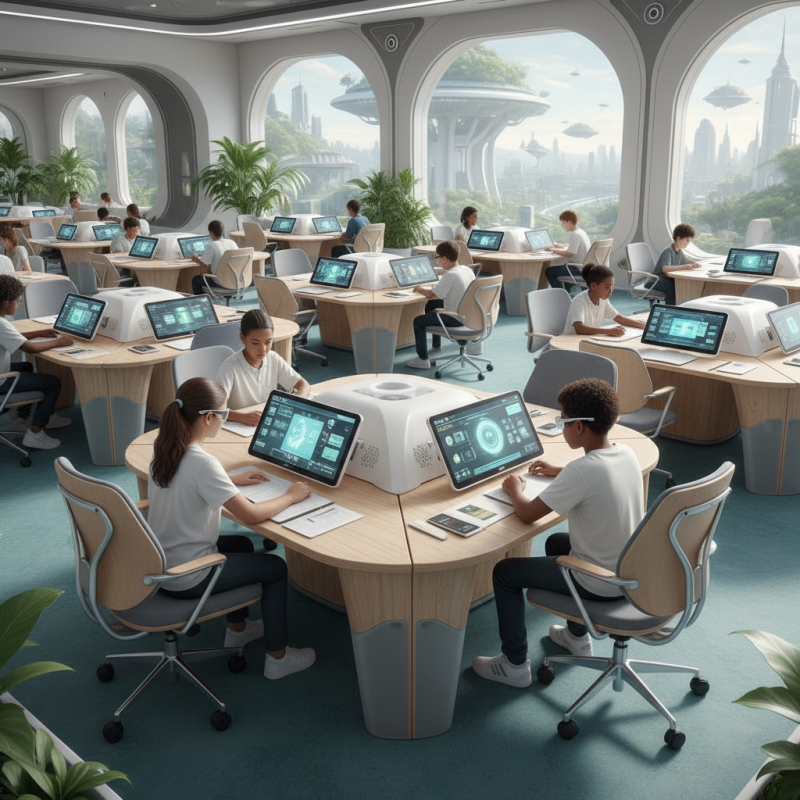
The Rise of ODM Study Tables with Chairs in Educational Settings
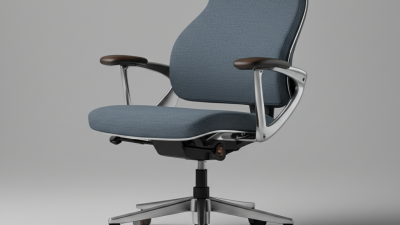
In recent years, there’s been a notable surge in the popularity of ODM study tables with chairs. These designs cater specifically to students’ needs. The flexibility of these furniture pieces encourages better learning environments. A well-designed Study Chair can significantly boost students' focus. The ergonomics of these chairs support longer study sessions without discomfort.
However, the rise of ODM furniture has its own challenges. Not all designs cater to different student body types.Some may find the height or width unsuitable. This mismatch can affect comfort and concentration. Additionally, quality control can be inconsistent. Sometimes, tables may wobble or chairs may lack proper support. Schools need to carefully assess these aspects. Selecting the right Study Chair is crucial for enhancing students’ productivity.
In educational settings, the impact of quality furniture cannot be overlooked. Students benefit from a comfortable, conducive study space. Yet, there remains a gap in understanding how much furniture quality affects learning outcomes. Schools should engage students in feedback about their study chairs. Listening to their needs can lead to better choices in the future.
Key Features of 2026 Wholesale ODM Study Tables and Chairs
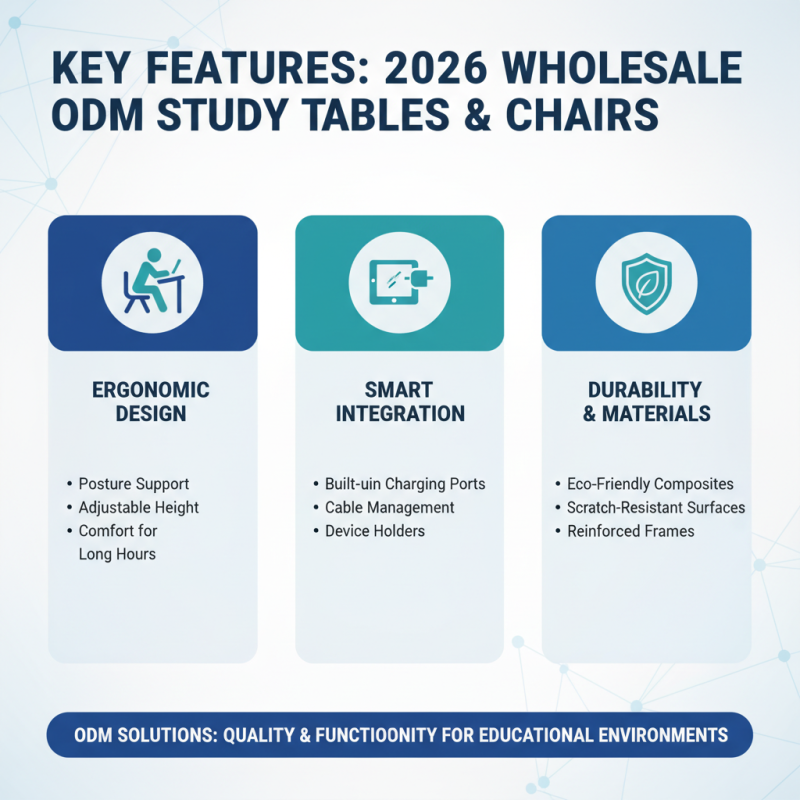
As we look forward to 2026, the focus on study tables and chairs for students grows immensely. Today's students need furniture that supports their learning and promotes focus. Notably, many manufacturers are shifting towards ODM (Original Design Manufacturer) solutions. These designs cater specifically to educational environments, ensuring quality and functionality.
Key features of these study tables include adjustable heights. This allows flexibility for students of different ages. Chairs often come with built-in lumbar support, promoting good posture during long study hours. Eco-friendly materials are increasingly popular, appealing to the environmentally conscious. However, not every design is perfect. Some tables may lack adequate space for books and materials. This can lead to clutter.
Color and aesthetic appeal also play a role. Many students prefer vibrant colors or minimalist designs. It helps create a stimulating environment. Yet, there is a risk of focusing too heavily on aesthetics over functionality. Finding a balance is essential. This reflection on both design and usability can lead to better learning experiences for students in 2026.
Design Innovations Sc shaping Student Study Environments
In 2026, design innovations are transforming student study environments. Ergonomic furniture plays a crucial role. Good design increases focus and productivity. Studies show that comfortable seating leads to better learning outcomes. A report found that 70% of students prefer Adjustable Chairs. These chairs adapt to different body types and promote healthy posture.
Materials also matter. Eco-friendly options are trending, appealing to environmentally conscious students. A survey indicated that 80% of students want sustainable products in their learning spaces. Incorporating natural materials can enhance the aesthetic. It creates a calm atmosphere, essential for effective studying.
Yet, not all designs cater to the diverse needs of students. Many study spaces lack flexibility. Some chairs, like the popular Study Chair Nz, offer minimal support. Learning environments must evolve to meet changing demands. Innovation is necessary, but must include user feedback. Listening to students’ experiences can improve chair designs significantly.
2026 Top Trends in Wholesale ODM Study Tables with Chairs for Students
Sustainability Trends in ODM Study Furniture for Schools
The demand for sustainable furniture solutions in education is growing rapidly. A recent report indicated that nearly 70% of schools prioritize eco-friendly materials. This shift reflects a broader awareness of environmental issues among educators and students. Schools are increasingly looking for study tables and chairs made from recycLED materials. In fact, studies show that sustainable furniture can reduce the carbon footprint by up to 30%.
Innovative designs often incorporate bamboo and recycled plastics. Bamboo is a fast-growing material that can replace traditional hardwoods. The durability of these materials can prolong the life of the furniture, reducing the need for frequent replacements. However, not all designs successfully balance aesthetics and sustainability. Some products may appear eco-friendly but lack substantial longevity or recyclability.
It's essential for schools to examine the certifications of their furniture. Reports reveal that many popular items fail to meet environmental standards. Educators should be cautious when selecting suppliers. Transparency in sourcing and production should be a key consideration. Overall, while progress has been made, there are still hurdles to overcome in creating truly sustainable study environments.
2026 Top Trends in Wholesale ODM Study Tables With Chairs for Students
| Trend | Description | Materials Used | Sustainability Rating | Target Market |
| Eco-friendly Materials | Use of recycled and biodegradable materials in furniture production. | Recycled plastic, bamboo, reclaimed wood | A+ | Schools, Universities |
| Modular Design | Flexible furniture that can be easily reconfigured for different activities. | Engineered wood, metal | A | K-12 Schools |
| Ergonomic Designs | Focus on comfort and support for prolonged studying. | Memory foam, breathable fabric | B+ | Colleges, Adult Education |
| Digital Integration | Incorporating technology into furniture design, such as charging stations. | High-quality plastics, metal | A | Tech-oriented schools |
| Colorful Aesthetics | Use of vibrant colors to create an engaging learning environment. | Lacquered wood, plastic | B | Elementary Schools |
Cost-Effectiveness of Wholesale ODM Solutions for Educational Institutions
Cost-effectiveness is crucial for educational institutions. In today's climate, schools need to make smart purchasing decisions. Wholesale ODM solutions offer flexibility and affordability. These solutions allow schools to customize designs while saving money. Bulk purchasing can reduce costs significantly. This makes it easier for institutions to stay within tight budgets.
Investing in Office Study Chairs as part of wholesale packages can enhance the learning environment. Comfortable furniture improves focus and productivity for students. However, it's important to assess quality against cost. Not all wholesale options guarantee durability. Some cheaper models may compromise comfort. Schools should prioritize ergonomic designs that provide adequate support.
Feedback from students can guide purchasing decisions. Listening to their experiences ensures the chosen furniture meets their needs. It also promotes a sense of involvement in the decision-making process. This collaborative approach is invaluable. However, ensuring every voice is heard can be challenging. Striking a balance between budget and quality is an ongoing challenge for administrators.
Customization Options for Student-Centric Study Furniture
In recent years, the demand for customizable student-centric Study Furniture has soared. A report by the Global Furniture Alliance estimates that 62% of educational institutions prioritize flexibility in their furniture designs. Students often spend long hours studying. The right furniture can significantly affect their concentration levels. Customization becomes essential to cater to diverse learning styles.
Many schools now offer options like adjustable heights and integrated storage solutions. These features can enhance ergonomics and productivity. According to a survey conducted by Educators' Insight, 75% of teachers noticed improved focus when students used adaptable furniture. Yet, there's a gap. Not all institutions utilize modern designs. Many still stick to traditional setups that do not promote an active learning environment.
Additionally, while customization is crucial, it is vital not to overcomplicate designs. Simplicity often leads to better usability. A study by the Furniture Research Institute found that 45% of students preferred straightforward designs that omit unnecessary features. This highlights a critical reflection point. Balancing functionality and aesthetics is key. Too much complexity can discourage use. School administrators must stay aware of these trends and adapt.
Future Projections for Student Furniture in the Wholesale Market
The future of student furniture in the wholesale market is promising. Technology integration is increasingly important. We expect to see more modular designs in study tables and chairs. This allows students to adapt their study environments easily.
Tips: Consider the materials used. Sustainable options are becoming vital in furniture manufacturing. Eco-friendly materials not only appeal to students but also promote a healthy learning space.
Moreover, ergonomics will play a significant role in design choices. A well-designed Student Study Chair can enhance focus and reduce fatigue. Manufacturers must pay attention to size and comfort. Flexibility in height adjustments will cater to various age groups effectively.
Tips: Always prioritize comfort and support. Test different designs to find the best fit. It might take time to discover what works best for students. Remember, trends evolve, but comfort remains a constant need.
Versatile Design and Functionality: Discover the AVITA Series Meeting Desk & Tea Table for Modern Workspaces
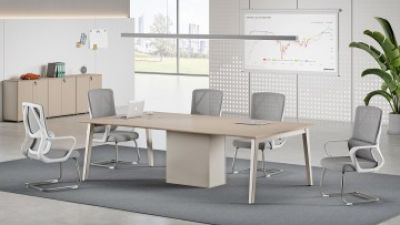
In today’s dynamic work environments, the design and functionality of meeting spaces are crucial for fostering collaboration and creativity. The AVITA Series Meeting Desk & Tea Table offers a versatile solution that caters to modern workspace needs. With elegant designs and varying sizes, these desks and tables are designed to accommodate a range of activities, from formal meetings to casual brainstorming sessions.
The meeting desks come in multiple configurations, such as the spacious ALT-C0324, measuring 2400*1200*750mm, suitable for larger groups, while the ATL-C0136 and ATL-C0142 models offer even more expansive options at 3600*1380*750mm and 4200*1380*750mm, respectively. For more intimate settings, the stylish ALT-F0216 coffee table at 1600*700*680mm or the circular ATL-C0608 table at a height of 750mm and diameter of 800mm serve as perfect additions to any modern decor, facilitating both discussion and relaxation.
These pieces not only serve functional purposes but also enhance the overall aesthetic of the workspace. Their sleek design makes them adaptable to various environments, promoting productivity and engagement. As more organizations seek to create innovative workspaces, the AVITA Series stands out as a practical and stylish choice for both meetings and informal gatherings.
Conclusion
In 2026, the landscape of educational environments is increasingly shaped by the rise of Wholesale ODM Study Tables with Chairs tailored for students. These furniture solutions are designed with key features that enhance functionality and comfort, making them ideal for modern classrooms. Innovations in design focus on creating inviting study environments that cater to diverse learning needs while promoting collaboration among students.
Sustainability is also a central theme, with a rising emphasis on eco-friendly materials and production processes in ODM study furniture. Cost-effectiveness remains a priority for educational institutions, ensuring that high-quality Study Tables with Chairs are accessible within budget constraints. Customization options allow schools to personalize furniture according to student preferences, fostering a more engaging learning atmosphere. As projections suggest, the future of student furniture in the wholesale market will likely continue to evolve, reflecting trends in both technology and pedagogy.